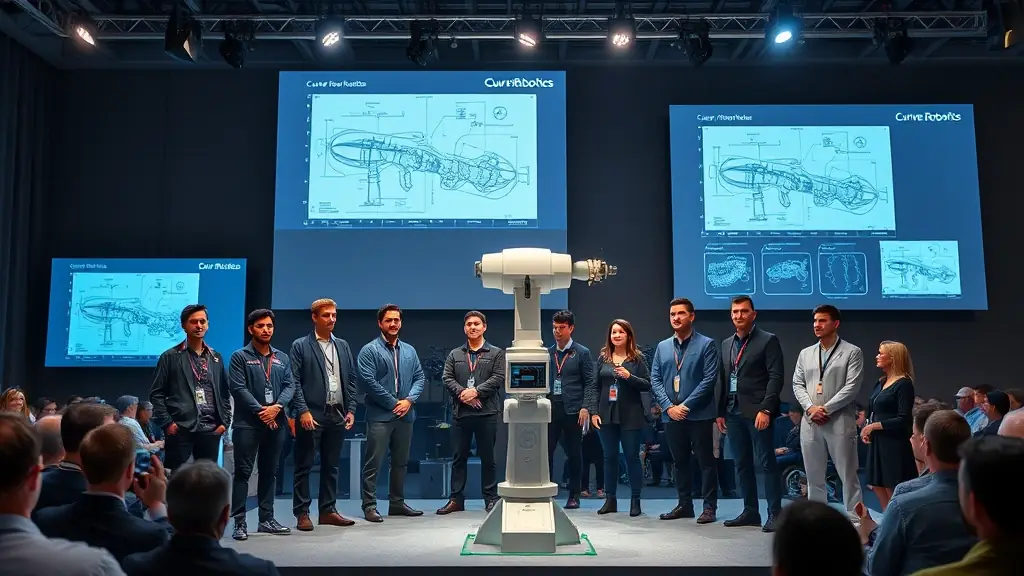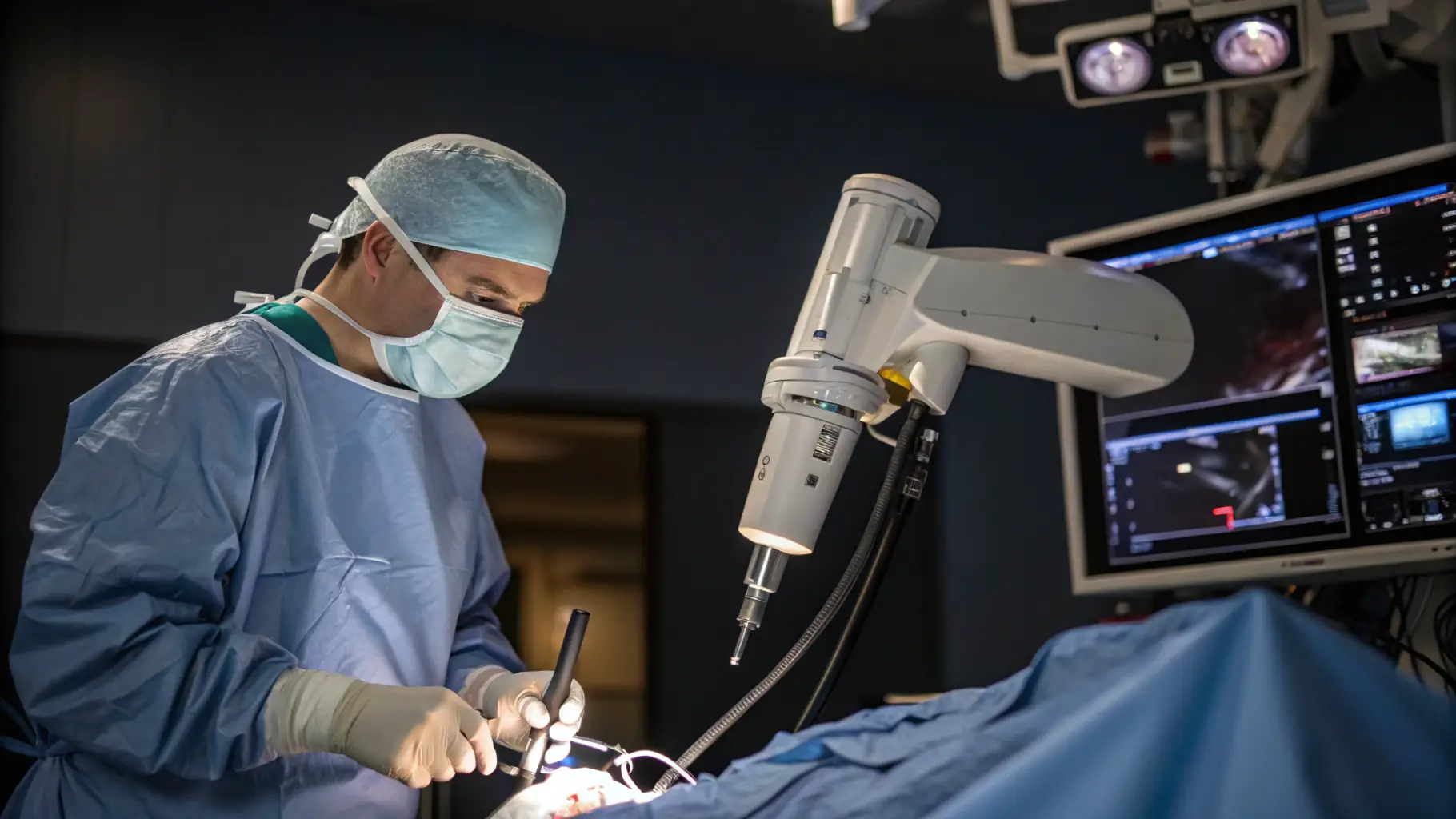
Curve Robotics is proud to announce a significant milestone in medical technology: the creation of the world’s first minimally invasive surgical robot system designed specifically for transnasal skull base surgery. This groundbreaking innovation promises to revolutionize how these complex procedures are performed, offering enhanced precision and reduced patient trauma. Our team of engineers and medical experts have worked tirelessly to develop a system that addresses the challenges of accessing hard-to-reach areas within the skull base. The robot’s flexible design and miniaturized components allow surgeons to navigate intricate pathways with unprecedented control. This advancement underscores our commitment to pushing the boundaries of surgical capabilities and improving patient outcomes.
The new surgical robot system features several key innovations that set it apart from existing technologies. Its flexible robotic arm can bend and twist to access areas previously unreachable through traditional methods. High-definition imaging provides surgeons with a clear and detailed view of the surgical site, enhancing accuracy and minimizing the risk of complications. The system also incorporates advanced navigation software, guiding surgeons through the procedure with real-time feedback and precise movements. These features combine to create a surgical platform that is both powerful and intuitive, empowering surgeons to perform complex procedures with greater confidence.
Looking ahead, Curve Robotics plans to expand the applications of its surgical robot system to other areas of minimally invasive surgery. We are actively exploring opportunities to adapt the technology for use in cardiac, orthopedic, and neurological procedures. Our goal is to create a versatile surgical platform that can address a wide range of clinical challenges. We are also committed to partnering with leading medical institutions and surgeons to further refine and improve the system. By working together, we can unlock the full potential of robotic surgery and transform the future of healthcare.